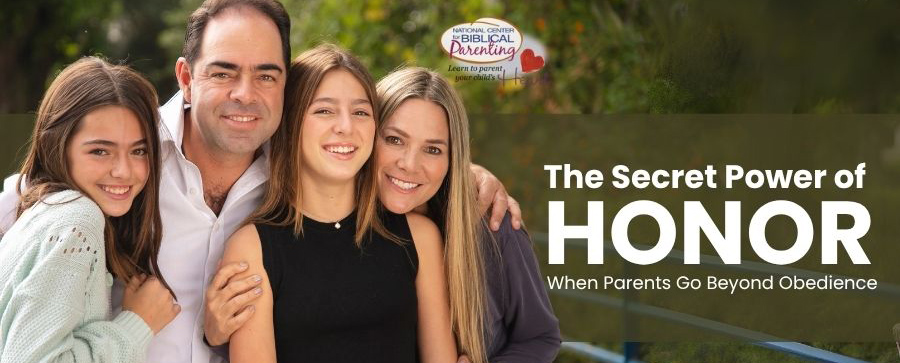
The Secret Power of Honor: When Parents Go Beyond Obedience

In many homes, obedience is the ultimate parenting goal. If a child does what they’re told—without talking back, delaying, or throwing a fit—most parents breathe a sigh of relief. But what if obedience isn’t the end goal? What if there’s something even more powerful that shapes a child’s heart and strengthens family relationships long-term?
That “something more” is honor.
Honor takes parenting to a deeper level. It goes beyond behavior to character. Beyond rules to relationships. It trains children not just to follow directions but to value others and take initiative. And when honor becomes part of a family’s culture, everything changes—the tone, the teamwork, the trust.
Why Obedience Isn’t Enough
Let’s be honest: obedience is important. God tells children to obey their parents in the Lord (Ephesians 6:1), and we know that structure and boundaries are good for kids. But obedience has a limit. A child can obey with clenched fists, a sour face, or passive resistance. Compliance doesn’t always mean connection.
Honor, on the other hand, transforms obedience. It adds heart. It’s not just about doing what’s required but doing it in a way that communicates love, respect, and responsibility. It’s the difference between a grumbling attitude and a willing heart.
In Romans 12:10, Paul urges believers to “Honor one another above yourselves.” That kind of honor isn’t reserved for adults—it’s something children can and should learn, and parents are the best people to teach it.
What Does Honor Look Like?
Honor has three key components that parents can teach and model every day:
- Treating people as special
- Doing more than what’s expected
- Having a good attitude
When kids begin to internalize these ideas, they start looking at others differently. They notice needs. They go out of their way to help. They pick up the towel without being asked or hold the door for a sibling. These small acts of honor ripple through the family and leave a lasting impact.
For example, imagine sending your child to clean up the game left out in the living room. A basic obedience response would be to do exactly what was asked—nothing more, nothing less. But an honor-based response might look like putting the game away, then straightening the pillows on the couch. The child has moved from doing what they’re told to serving from the heart.
Training Kids to See and Do More
Honor doesn’t come naturally to most children. They’re born with a self-focus that says, “What’s in it for me?” That’s why honor needs to be taught—and practiced. One powerful way to begin is with “honor missions.”
An honor mission is a small, creative challenge that trains your child to look for opportunities to bless others. You might say, “Before dinner tonight, find one way to surprise someone in the family with honor.” It could be a note, a chore, a kind word, or a thoughtful action. When the child reports back at the dinner table, the family celebrates the effort. These missions build awareness and momentum.
Parents can also use mealtimes, car rides, or bedtime conversations to talk about what honor means and what it looks like in different situations. When children understand that honor is about who they are becoming, not just what they do, they become more motivated to live it out.
What Happens When Honor Takes Root
Families who intentionally build a culture of honor notice something remarkable: the emotional tone of the home starts to shift. Instead of power struggles and constant tension, there’s more peace and connection. Children begin to think about others, not just themselves. Parents feel less like referees and more like coaches.
Honor also prepares kids for life outside the home. Employers love to hire people who go the extra mile. Spouses appreciate partners who serve with joy. Churches and communities thrive when people show respect and initiative. Honor lays the foundation for leadership, service, and spiritual maturity. We like to say that honor is customer service brought home.
Most importantly, when children learn to honor others, they begin to understand how to honor God. It’s not about perfection—it’s about humility, love, and a willingness to put others first. That’s the heart of the gospel. And that’s why teaching honor isn’t just good parenting—it’s discipleship.
Start Today with Just One Step
You don’t need a full lesson plan or a perfect script to begin teaching honor. You just need to start. Use the word “honor” in your conversations. Catch your child doing something honorable and praise it. Model honor in the way you speak to your spouse and respond to your children. Set up a daily “honor act” challenge in your home.
And most of all, ask God to shape your own heart as you shape theirs. Parenting is hard, but you’re not doing it alone. The Lord sees your efforts, hears your prayers, and equips you with everything you need.
If you’re ready to take the next step in your parenting journey and learn how to build honor—and other heart-based skills—into your child’s life, I invite you to check out our full course:
👉 How a Heart-Based Approach Changes Everything
You’ll find biblical, practical strategies to address real-life issues and transform your family from the inside out.



Leave a Reply
Want to join the discussion?Feel free to contribute!