
Why Children Struggle with Disappointment
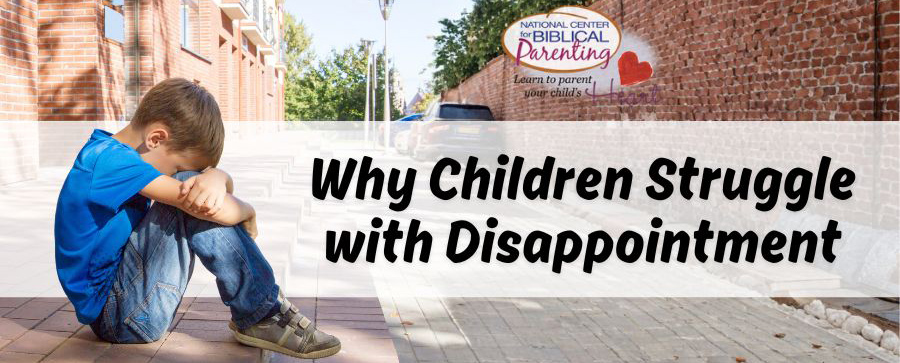

One of the hardest moments in parenting comes when a child doesn’t get what he wants. Whether it’s a toddler melting down over candy at the grocery store or a teenager furious about losing video game privileges, parents often feel intense pressure to make the conflict stop as quickly as possible. But what if those uncomfortable moments are actually developing an important life skill inside the heart of a child?
When parents say “no,” establish limits, or create structure that a child doesn’t like, something significant begins happening internally. A grieving process starts. Most people think of grief only in connection with death, but grief is much broader than that. Grief is the emotional response to loss, disappointment, or pain. Children experience these emotions regularly, and learning how to process them well is one of the most valuable forms of emotional development they can have.
Many parents don’t realize that firmness is not simply about enforcing rules. Firmness helps children develop the emotional muscles they will need for the rest of their lives. When children encounter disappointment and move through it in healthy ways, they gain resilience, flexibility, maturity, and emotional strength.
The Five Stages of Disappointment
Interestingly, children often process disappointment through patterns that resemble the five stages of grief. Once parents recognize this process, they can respond with greater confidence and wisdom instead of panic or frustration.
Imagine a 14-year-old who has been struggling academically. After trying multiple approaches, his parents decide to limit video game use during the school week. He can play on Friday and Saturday, but not Sunday through Thursday. Immediately, the emotional process begins.
The first stage is denial. The child reacts with disbelief: “What? You can’t do this!” Inside his heart he may think, “They won’t really stick with this. They’ll forget eventually.” Denial helps children initially buffer the disappointment they feel.
Next comes anger. This stage is often the most difficult for parents because emotions become loud and intense. “This is unfair!” “None of my friends have these rules!” “You’re too strict!” Anger naturally surfaces when desires are blocked. Many parents become intimidated at this point and feel tempted to reverse the consequence simply to restore peace in the home.
After anger comes bargaining. Children begin negotiating: “What if I turn in all my homework?” “Can I earn extra time?” “Can we make a different arrangement?” Bargaining is an attempt to regain control over the loss they are experiencing.
Then comes sadness or discouragement. Children may complain about being bored, lonely, or unhappy. “I don’t have anything to do.” “I’m so sad.” “This is your fault.” Parents sometimes interpret this sadness as proof that the limit is harmful, but sadness itself is not dangerous. In fact, learning to sit with disappointment is part of emotional maturity.
Finally, when parents lovingly maintain appropriate firmness, children often arrive at acceptance. This is where growth begins to emerge.
One mother described how difficult the first week was after limiting her teenage son’s gaming. His reactions were intense. But after some time passed, remarkable changes started to occur. He pulled out an old model airplane project and began working on it again. He spent more time interacting with siblings. He became more pleasant and relationally engaged. Acceptance opened the door for healthier patterns to develop.
Why Parents Often Give In Too Soon
Many parents unintentionally interrupt this growth process because they give in somewhere along the emotional journey. The anger feels overwhelming. The sadness creates guilt. The conflict becomes exhausting. So, parents restore the privilege too early.
But when parents consistently reverse decisions because of emotional reactions, children learn an unhealthy lesson: strong emotions can control other people. Instead of developing resilience, they develop emotional dependence on getting their own way.
This doesn’t mean parents should become harsh or rigid. Heart-based parenting combines firmness with compassion. Parents can acknowledge feelings while still maintaining healthy boundaries. Statements like, “I know this is disappointing,” or “I understand you’re upset,” communicate empathy without abandoning leadership.
Children need both truth and grace. They need limits, but they also need connection during the process.
One of the greatest gifts parents can give children is the ability to handle disappointment in healthy ways. Life will inevitably include losses, delays, frustrations, unanswered prayers, and painful situations. Children who learn how to grieve small disappointments at home become far more prepared to navigate larger disappointments later in life.
As parents, we should not fear our children’s emotional reactions. Instead, we can view these moments as opportunities for growth. Limits are not merely restrictions; they are training tools that shape the heart.
When children hear “no,” something valuable is happening inside. They are learning patience. They are developing emotional endurance. They are practicing self-control. They are discovering that disappointment can be survived. And perhaps most importantly, they are learning that maturity grows when we accept reality rather than fight against it.
If you’d like practical help for addressing discipline, emotional reactions, internal motivation, and heart-based parenting strategies, I’d love to invite you to explore the Biblical Parenting MasterClass. The MasterClass provides practical biblical tools to help parents move beyond behavior management and learn how to shape the heart of a child for long-term change.







Leave a Reply
Want to join the discussion?Feel free to contribute!