
The Problem with Gentle Parenting


Gentle parenting has become one of the most talked-about parenting approaches in recent years. Many parents are drawn to it because they want to avoid harshness, anger, shame, and fear-based discipline. They want peaceful homes, strong relationships with their children, and parenting methods that reflect compassion and understanding.
There’s actually a lot to appreciate about that desire.
Many parents grew up in homes where correction felt harsh, emotionally distant, or overly controlling. As adults, they understandably want something different for their own families. Gentle parenting often emphasizes empathy, emotional awareness, connection, and kindness—all qualities that are incredibly important in healthy parenting. In fact, some parents genuinely need a greater measure of gentleness in their homes because they tend toward anger, impatience, or harsh reactions. Gentleness can rescue parents from becoming overly severe with their children.
But while gentle parenting brings valuable ideas to the conversation, it can also drift into dangerous territory when it abandons firmness. That’s where many parents begin running into problems.
The issue is not gentleness itself. The issue is imbalance.
Children do not simply need comfort and understanding. They also need structure, limits, boundaries, and firmness. In fact, some of the most important growth moments in a child’s life happen when a parent lovingly says “no” and sticks with it.
That’s not always gentle from the child’s perspective.
When parents set a limit and maintain it, something significant begins happening inside the heart of a child. The child has to wrestle with disappointment, frustration, selfish desires, emotional reactions, and reality itself. Those internal struggles are not harmful. They are developmental. They are part of how children mature emotionally and spiritually.
Children Need Emotional Flexibility
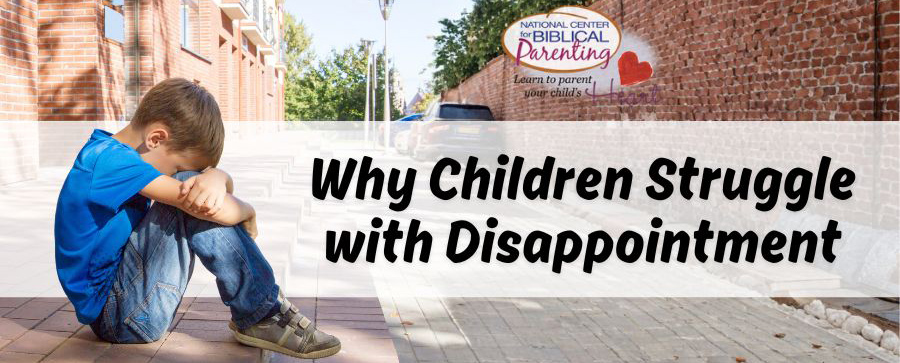
One of the dangers of an overly permissive version of gentle parenting is that parents sometimes become overly focused on protecting children from difficult emotions. They don’t want children to feel upset, offended, frustrated, or disappointed. So instead of holding firm boundaries, they become lenient.
The problem is that life itself is not lenient.
Life contains disappointment. Delays. Limits. Conflict. Failure. Rejection. Hard work. Authority. Sacrifice. If children never learn how to navigate these realities at home, they often struggle deeply later in life.
Children develop resilience by facing manageable levels of frustration and learning how to work through them. Emotional flexibility grows when children discover that they can survive disappointment without falling apart emotionally.
When a child hears “no,” it creates an opportunity for growth. The child learns patience. Self-control. Delayed gratification. Problem-solving. Perspective. These are critical life skills.
This doesn’t mean parents should become harsh or authoritarian. Firmness and harshness are not the same thing. A parent can be warm, connected, empathetic, and relational while still maintaining clear boundaries.
For example, a parent can say:
“I know you’re disappointed.”
“I understand that this feels hard.”
“I care about your feelings.”
And still maintain the limit.
Children need both compassion and leadership.
Why Heart-Based Parenting Requires Balance
Many parenting philosophies swing too far in one direction. Some approaches focus almost entirely on control and obedience, often damaging the relationship in the process. Other approaches focus almost entirely on emotional comfort and validation, sometimes weakening parental leadership.
A heart-based approach seeks balance.
Children need empathy, coaching, relationship, and understanding. But they also need firmness, structure, accountability, and character training. Both sides matter because healthy parenting is not simply about keeping children happy in the moment. It’s about preparing them for life.
One of the most loving things parents can do is help children learn how to handle challenges well.
Sometimes growth happens through discomfort. When children are stretched emotionally, required to wait, expected to follow through, or challenged to respond respectfully even when disappointed, they are building maturity. Parents who lovingly challenge children are not harming them; they are strengthening them.
This is where some versions of gentle parenting struggle. In trying to avoid emotional discomfort for the child, parents may unintentionally prevent the very experiences that build resilience and maturity.
Children need opportunities to wrestle internally with difficult emotions while being guided by loving parents. They need to learn that emotions are real and important, but emotions should not control decisions or family dynamics.
Parents today do not need to choose between harshness and permissiveness. There is a better path. We can reject angry, fear-based parenting without abandoning firmness. We can value gentleness without surrendering leadership. We can comfort children while still challenging them to grow.
That’s the beauty of heart-based parenting.
The goal is not simply to control behavior or protect feelings. The goal is to shape the heart of a child so they become emotionally strong, spiritually grounded, responsible, resilient adults who can navigate the real challenges of life with wisdom and maturity.
If you’d like practical help for building this kind of balanced approach in your family, I’d love to invite you to explore the Biblical Parenting MasterClass. The MasterClass provides practical biblical tools to help parents combine gentleness, firmness, relationship, and heart-focused strategies in ways that bring lasting change to family life.








Leave a Reply
Want to join the discussion?Feel free to contribute!